
Winter Warmers: Dal, Rajma and Slow-Cooked Indian Comfort Food
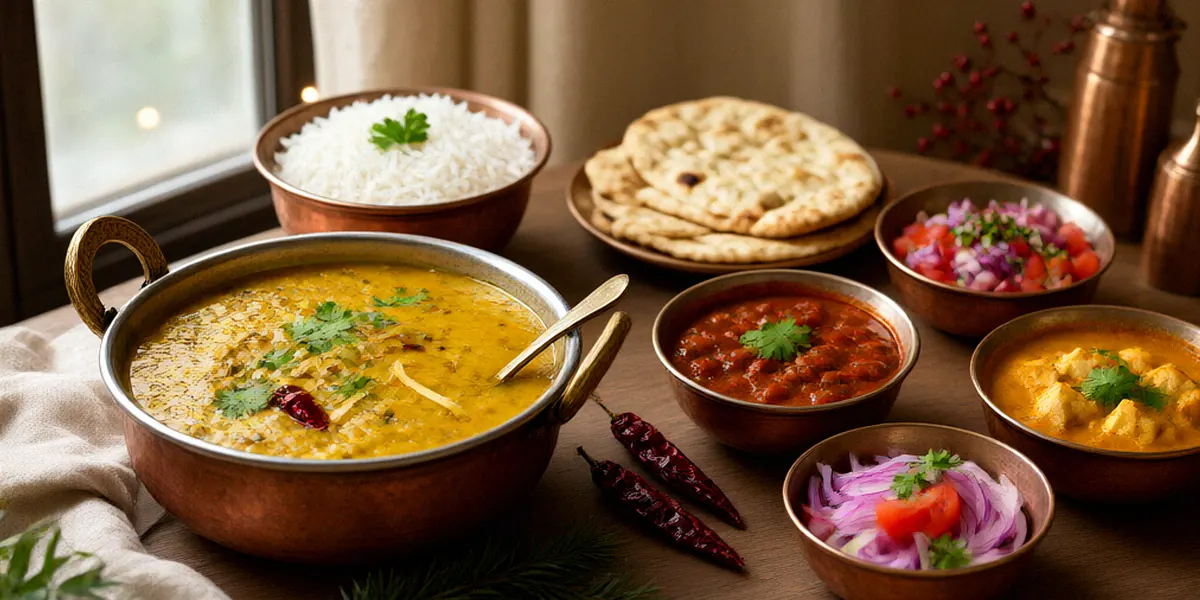
There is a particular kind of magic in a bowl of dal on a cold British evening. The windows are fogged, the rain is tapping against the glass, and the kitchen smells of cumin hitting hot ghee. That first spoonful — earthy, spiced, deeply savoury — does something no takeaway menu quite manages. It slows the evening down and warms you from the inside out. Here at Bombay House WA, we think Indian home cooking is the ultimate winter comfort food, and in this post we’re sharing the dishes we return to every year when the nights draw in.
Why Slow-Cooked Indian Food Is Perfect for British Winters
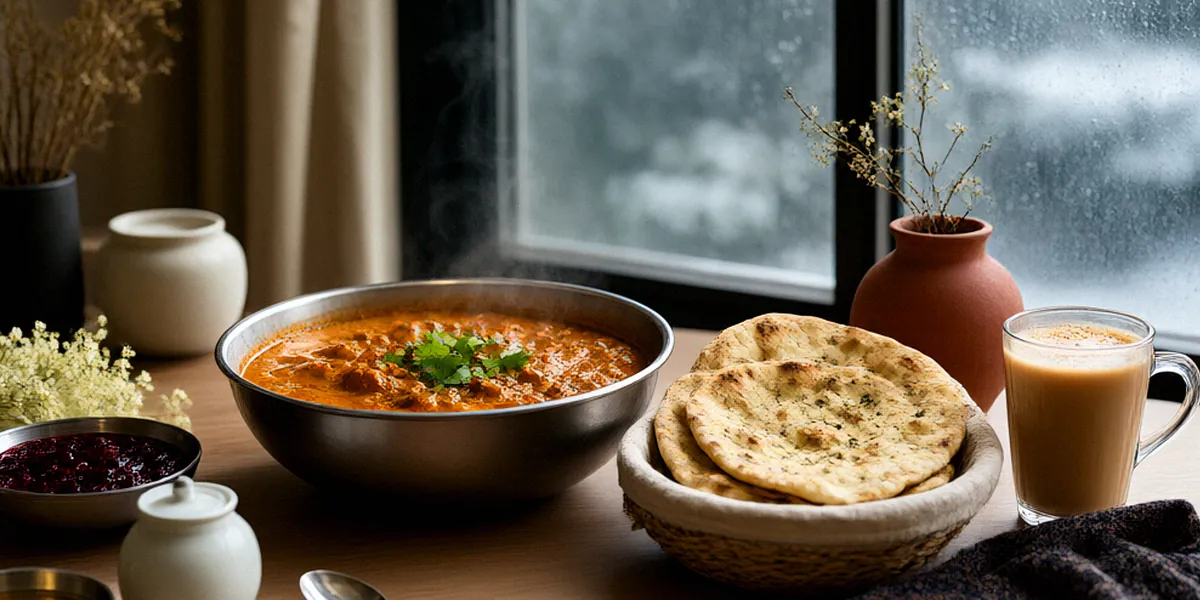
UK winter evenings are dark and cold, often by half four in the afternoon, and that changes what we crave. We want food that simmers, that fills the house with warmth, that can be left on the hob while we get on with other things. Slow-cooked Indian dishes fit that brief perfectly. A pot of rajma bubbling away for an hour does more than feed you — it makes the kitchen the warmest room in the house.
There’s also something quietly satisfying about one-pot cooking. You brown your onions, bloom your spices, add your lentils or beans, and let time do the heavy lifting. British curry culture has evolved well beyond the Friday night takeaway, and more of us are cooking these dishes at home than ever before. The result is richer, lighter and cheaper than a delivery, and you get leftovers for tomorrow.
The Science of Slow Cooking: How Time Transforms Spices
Spices are not just flavour — they’re chemistry. When you heat whole cumin, coriander or mustard seeds in fat, the volatile oils that carry their aroma are released. Ground spices behave similarly, but they need time and moisture to fully integrate into a dish. A curry eaten straight after cooking can taste sharp and disjointed; the same curry the next day tastes rounder and more unified.
Slow cooking also breaks down the starches in lentils and beans, thickening the sauce naturally without cream or flour. That’s why a good dal needs no thickener — the lentils do it themselves. Gentle heat over 45–90 minutes gives the spices time to marry with the base, which is why we always recommend making curries a day ahead when you can.
From Takeaway to Home Kitchen: The Rise of Indian Recipes UK
Search interest in Indian recipes UK has grown steadily over the past few years, and it’s easy to see why. Supermarkets now stock everything from dried fenugreek leaves to fresh curry leaves, and recipe videos make techniques like tadka accessible to anyone with a frying pan. The British relationship with Indian food has matured: we’re no longer just ordering a chicken tikka masala, we’re learning to cook the dishes that Indian families actually eat at home.
Dal: The Heart of Indian Home Cooking
Ask anyone who grew up in an Indian household what they ate most often and the answer is almost always dal. It’s the everyday staple — cheap, nourishing, endlessly variable and forgiving. In the UK, dal has moved from the side of the plate to the centre, appearing on pub menus and in supermarket meal kits alike.
The two lentils we cook most are toor dal (split pigeon peas), which gives a slightly sweet, nutty dal common in Gujarat and Maharashtra, and masoor dal (red lentils), which cooks quickly and turns soft and golden. Moong dal and chana dal both have their place too. Whichever you choose, the technique is the same: simmer until tender, then finish with a tadka.
Types of Dal: A Quick Guide for UK Kitchens
- Toor dal — split pigeon peas; nutty and slightly sweet, the backbone of many Gujarati and South Indian dals. Needs around 45 minutes of simmering.
- Masoor dal — red lentils; cook in 20–25 minutes and break down into a soft, golden purée. Great for beginners.
- Moong dal — split mung beans; light, easy to digest and quick to cook. Lovely with a little ginger and turmeric.
- Chana dal — split chickpeas; firmer texture, holds its shape, and works beautifully in a Punjabi-style dal.
- Urad dal — split black gram; used more in South Indian cooking and as a tadka ingredient for its distinctive earthy flavour.
You’ll find all of these in the world food aisles at Tesco and Sainsbury’s, and in any Asian grocery. Buy in 1kg or 2kg bags — they keep for months in an airtight jar.
The Magic of Tadka: Tempering Spices for Depth
Tadka (also called chaunk or baghar) is the step that turns a plain lentil soup into something memorable. You heat ghee or oil in a small pan, add cumin seeds and let them sizzle and pop, then add dried red chilli, garlic, ginger or curry leaves depending on the dish. The moment the aromatics turn fragrant — usually 30 to 60 seconds — you pour the whole thing over the cooked dal and cover the pot for a minute so the flavours infuse.
The key is heat control. If the cumin burns, the tadka turns bitter and there’s no rescuing it. Medium heat, a watchful eye and a pan that’s already hot will get you there. Ghee gives the most authentic flavour, but a good sunflower or rapeseed oil works fine.
Rajma: The Punjabi Classic That Warms the Soul
Rajma is the dish Punjabi families make on Sundays — red kidney beans slow-simmered in a tomato and onion gravy with ginger, garlic and a warm spice blend. Served over plain rice, it becomes rajma chawal, one of the great comfort meals of North India. It’s substantial, high in protein and fibre, and it reheats better than almost anything else in our repertoire.
It’s also a familiar sight on British Indian restaurant menus, though the home version is usually lighter and less creamy. If you’ve only ever had it in a restaurant, cooking it yourself will be a revelation.
Soaking and Cooking Kidney Beans: Tips for UK Cooks
Dried kidney beans need an overnight soak — at least eight hours in plenty of cold water. This softens them and reduces cooking time. Never cook them in the soaking water; drain and rinse first. Then simmer in fresh water for 60–90 minutes until tender. If you’re using a pressure cooker, you can cut that to around 20 minutes.
One important safety note: raw red kidney beans contain a toxin called phytohaemagglutinin, which is destroyed by thorough boiling. Always boil dried kidney beans hard for at least 10 minutes before reducing to a simmer, and never cook them in a slow cooker from raw. Tinned beans are already cooked, so if you’re short on time, two tins of drained kidney beans will work perfectly well.
Rajma Chawal: The Ultimate Comfort Pairing
Rajma chawal is more than a meal — it’s a ritual. The beans should be thick enough to coat the rice but loose enough to spoon over it. We like basmati rice cooked with a bay leaf and a pinch of salt, and a side of sliced onion, cucumber and a squeeze of lemon. A spoon of yoghurt on top cuts through the richness beautifully.
It also freezes well. Make a double batch, portion it into containers, and you’ve got winter dinners sorted for weeks.
Bombay Street Food Inspirations for Winter
Bombay street food is built for people on the move, but many of its dishes translate beautifully into warming winter meals at home. Pav bhaji, misal pav and vada pav are all appearing more often at UK food markets and festivals, and for good reason — they’re bold, spicy and deeply satisfying when the temperature drops.
Pav Bhaji: A Buttery, Spicy Mash for Cold Nights
Pav bhaji is a mashed vegetable curry — potato, cauliflower, peas and peppers cooked down with a special pav bhaji masala, then finished with a generous knob of butter. It’s served with soft bread rolls (pav) toasted in more butter, plus chopped onion and a wedge of lime. The whole thing takes about 40 minutes and uses vegetables you already have in the fridge. On a cold night, it’s hard to beat.
Misal Pav: A Fiery Sprouted Bean Curry
Misal pav is the dish for anyone who likes heat. Sprouted moth beans are cooked in a spicy gravy, topped with crunchy farsan (fried vermicelli mix), raw onion and coriander, and served with pav. It’s traditionally a breakfast dish in Maharashtra, but we happily eat it for dinner. The contrast of soft beans, crunchy topping and fiery broth is what makes it special. If you’re new to it, start with a mild chilli and build up.
Masala Chai: The Perfect Winter Companion
No winter cooking session is complete without masala chai. It’s black tea brewed with milk, sugar and whole spices — usually green cardamom, fresh ginger and cloves, sometimes cinnamon, black pepper or fennel. The result is warming, slightly sweet and gently spiced, and it’s increasingly popular in UK cafes, from independent coffee shops to high street chains.
Making it at home is straightforward. Use a strong black tea base — Tetley or PG Tips both work well, though Assam loose leaf gives a fuller flavour. Add your spices, simmer with milk, and strain.
Brewing the Perfect Cup: Spices and Ratios
Our house ratio for two cups: 250ml water, 250ml whole milk, two teaspoons of black tea, three crushed green cardamom pods, a 2cm piece of ginger sliced, and two cloves. Simmer the water with the spices for three minutes, add the tea and milk, then bring back to a gentle boil and simmer for another three to four minutes. Strain and sweeten to taste.
A few notes: crushing the cardamom pods releases far more flavour than leaving them whole, and whole milk gives a creamier cup than skimmed. If you want it stronger, boil it a little longer rather than adding more tea.
Chai in British Culture: From Cafes to Home
Masala chai has quietly become a fixture of British cafe culture. You’ll find it on menus in London, Manchester, Birmingham and beyond, often made with oat or almond milk. But the best cup is usually the one made at home, in a small pan, with the spices you like best. Once you’ve made it a few times, you’ll never go back to a tea bag alone.
Building Your Winter Spice Pantry
A good spice pantry is the difference between a decent curry and a great one. The good news is that you don’t need dozens of jars to get started — six or seven well-chosen spices will cover most of the dishes in this post.
Essential Spices for Slow-Cooked Dishes
- Cumin seeds — for tadka and for the base of almost every curry.
- Coriander seeds or ground coriander — citrusy and floral, the backbone of most masalas.
- Turmeric — earthy, golden, and essential in dal.
- Garam masala — a warming blend added near the end of cooking.
- Kashmiri chilli powder — deep red colour with mild heat.
- Ginger and garlic — fresh, not powdered, wherever possible.
- Whole spices — bay leaves, cinnamon, cloves and cardamom for layering flavour.
Where to Buy Indian Spices in the UK
Tesco and Sainsbury’s stock a wide range of Indian spices in their world food aisles, and both have improved their ranges considerably in recent years. For larger quantities or more specialist ingredients, a local Asian grocery is hard to beat on price. Online, Spice Kitchen is a UK-based spice retailer we rate highly — they sell small-batch, freshly ground blends and whole spices, and their gift tins make a lovely present for anyone getting into Indian cooking.
Store your spices in airtight jars away from direct sunlight and heat. Whole spices keep their potency for around two years; ground spices are best used within six months.
FAQ
Can I make dal in a slow cooker?
Yes, and it works well. Use about 200g of lentils to 1 litre of water or stock, cook on low for 6–8 hours, then add your tadka just before serving. Red lentils and moong dal work best; toor dal can take longer.
Are tinned kidney beans a good substitute for dried rajma?
Absolutely. Two 400g tins of drained kidney beans are roughly equivalent to 200g of dried beans once cooked. Add them to the gravy about 15 minutes before the end so they absorb the flavours without turning mushy.
What’s the best milk for masala chai?
Whole dairy milk gives the creamiest, most traditional result. Oat milk works well as a plant-based alternative and froths nicely. Avoid skimmed milk if you can — it can taste thin against the spices.
Where can I buy pav bhaji masala in the UK?
Most large Tesco and Sainsbury’s stores stock it in the world food aisle, as do Asian grocers. If you can’t find it, a mix of garam masala, cumin, coriander and a little amchur (dried mango powder) makes a good approximation.
How long do cooked dal and rajma keep in the fridge?
Both keep for three to four days in an airtight container in the fridge, and both freeze well for up to three months. In fact, we think they taste even better on day two.
Slow-cooked Indian food is more than a recipe — it’s a way of making winter feel gentler. A pot of dal on the hob, a cup of masala chai in your hands, and the smell of cumin and ginger filling the kitchen: that’s the ritual we come back to every year. Whether you start with a simple masoor dal, a Sunday rajma, or a buttery pav bhaji, we hope these dishes bring you the same warmth and connection they bring to our table. Embrace Indian home cooking this winter — your kitchen, and your evenings, will thank you.