
Curry House Classics vs Regional Indian Cooking: What We’ve Learned
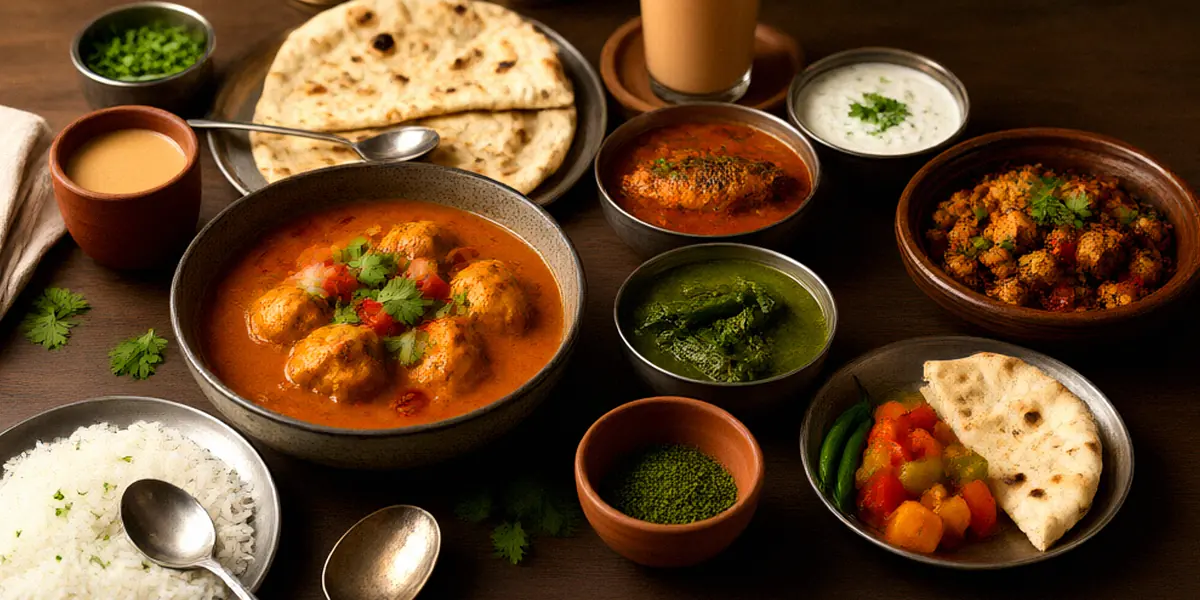
It was a Friday night in November, rain hammering the windows of a Birmingham curry house, and our table was covered in the usual suspects: a tikka masala glowing orange under the heat lamps, a vindaloo hot enough to make someone cry, garlic naan, and a jug of mango lassi. We loved it. But halfway through, someone said, “This isn’t really what my grandmother cooks.” That moment sent us down a path we’re still walking — one that led us to Punjabi home kitchens, Gujarati thalis, Goan fish curries, and the chaat stalls of Bombay. What we found is that curry house classics and regional Indian cooking are two different stories, and both are worth telling properly.
What We Mean by Curry House Classics
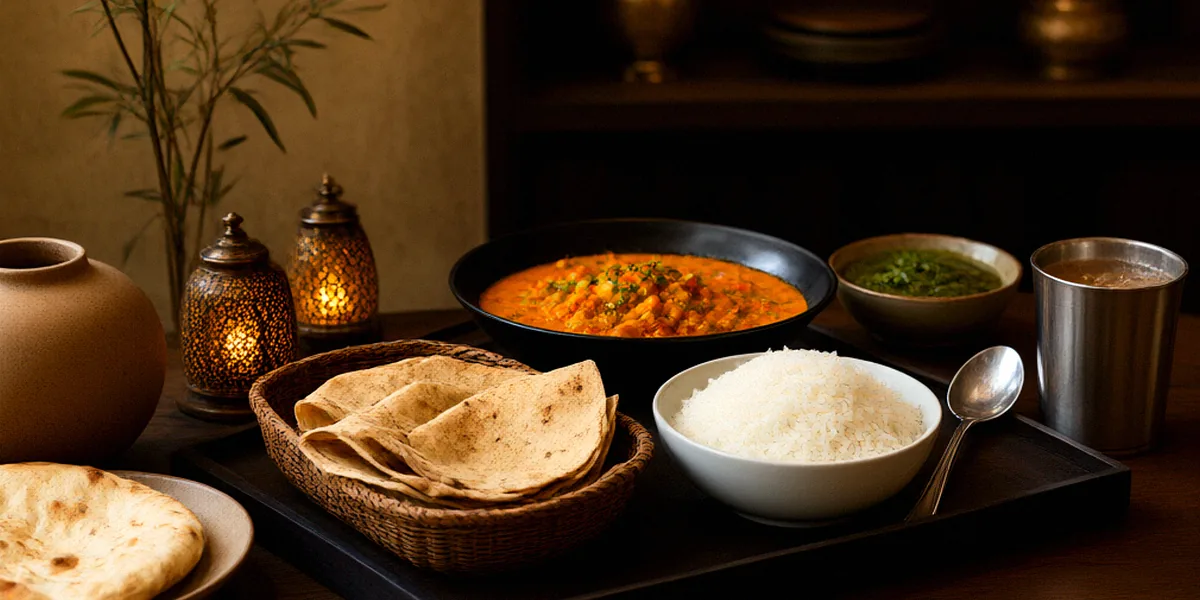
When we talk about curry house classics, we mean the dishes that built the British high street Indian restaurant: chicken tikka masala, vindaloo, korma, and balti. These are not ancient recipes passed down through generations. They are British inventions, shaped by migration, availability of ingredients, and the tastes of customers in cities like Birmingham, Glasgow, Manchester, and London. The Birmingham Balti Triangle is famous for balti dishes, cooked and served in the thin steel wok-like bowl that gives the dish its name. And the tikka masala story is even more specific.
The Birth of Chicken Tikka Masala
Chicken tikka masala is often linked to Glasgow’s Shish Mahal restaurant, where — so the story goes — a customer complained that his chicken tikka was too dry, and the chef responded by pouring over a tin of tomato soup mixed with spices. Whether that story is exactly true or not, it captures something real: curry house cooking is adaptive, improvisational, and built for British palates. The result is a creamy, mildly spiced, tomato-based sauce that has become one of the UK’s most ordered dishes. We still make it. We just know now that it’s a British dish with Indian roots, not a regional Indian recipe.
Why Vindaloo and Korma Taste Different in the UK
The vindaloo on a UK curry house menu is a world away from the Goan vindalho it borrows its name from. The original is pork, cooked with vinegar and garlic — the word comes from the Portuguese vinha d’alhos, meaning wine and garlic. The British version is usually chicken or lamb, and the heat has been dialled up to a point where the vinegar and spice balance is almost lost. Korma is similar: in India, korma can be a rich Mughlai dish with saffron, almonds, and yogurt. In the UK, it’s often a sweet, pale, coconut-and-cream sauce that bears little resemblance to the original. None of this is a criticism — it’s just context.
Regional Indian Cooking: A Different Map
Regional Indian cooking is not one cuisine. It’s dozens. Punjab, Gujarat, Bengal, Tamil Nadu, Kerala, Goa, and Maharashtra each have their own spice blends, cooking techniques, and staple ingredients. A standard UK curry house menu flattens all of that into a handful of sauces. Once you start cooking regionally at home, you realise how much variety is missing — and how much more interesting dinner becomes.
Punjabi and Gujarati Home Kitchens
Punjabi cooking is what most people in the UK think of when they picture “Indian food”: rich curries, tandoori breads, dal makhani, sarson da saag, and plenty of ghee. Gujarati cooking is different again — often vegetarian, slightly sweeter, with a distinct use of mustard seeds, curry leaves, and asafoetida. A Gujarati thali might include dal, shaak, kadhi, rotli, rice, and a sweet, all on one plate. We’ve learned a lot from both traditions, especially how much a simple tempering of cumin seeds in hot oil can change a dish.
South Indian Tempering and Coconut
South Indian cooking introduced us to tempering — the technique of blooming mustard seeds, curry leaves, dried chillies, and urad dal in hot oil before adding them to a dish. It’s the backbone of sambar, rasam, and many vegetable curries. Coconut appears in many forms: fresh grated, desiccated, milk, and oil. Dosas, idlis, and appams are all part of the picture. Once you’ve made a proper South Indian coconut chutney, the curry house version of ” coconut rice” never quite satisfies in the same way.
Goan and Bengali Coastal Flavours
Goa and Bengal both cook with the sea. Goan food uses vinegar, kokum, and coconut, with Portuguese influences running through dishes like xacuti and vindalho. Bengali cooking is gentler, with mustard oil, panch phoron (a five-spice blend), and a deep love of fish — particularly river fish like rohu and hilsa. Neither tradition shows up often on a UK curry house menu, which is a shame, because both are extraordinary.
Bombay Street Food and the Snack Culture We Love
Bombay street food is its own universe. It’s fast, loud, tangy, and eaten standing up. The snacks are built for crowds and for people on the move, and they’ve found a natural home in the UK’s busy cities.
Vada Pav, Bhel Puri, and Pav Bhaji
Vada pav is Bombay’s answer to a burger: a spiced potato fritter in a soft bread roll, with chutneys and a fried green chilli on the side. Bhel puri is a puffed rice salad, tossed with chopped onion, tomato, tamarind chutney, and sev — crunchy, sour, and sweet all at once. Pav bhaji is a mashed vegetable curry served with buttered bread rolls, cooked on a flat tawa and finished with a squeeze of lime. We make all three at home, and they’re perfect for feeding a crowd without much fuss.
Where to Find Bombay Street Food in the UK
You no longer need to travel to Bombay for a proper vada pav. UK cities now host dedicated chaat spots and street food markets:
- London — Brick Lane, Camden Market, and Southall have long-standing chaat counters and street food stalls.
- Leicester — the Golden Mile is one of the best places in the country for Indian snacks, and the city hosts one of the UK’s largest Diwali celebrations outside India.
- Manchester — the Curry Mile in Rusholme and the Northern Quarter both have excellent street food options.
- Birmingham — the Balti Triangle remains a must-visit, and nearby Sparkbrook has great chaat and sweet shops.
Masala Chai, Spices, and the Home Pantry
Masala chai is the thread that runs through all of this. It’s the drink that starts the day in millions of Indian homes, and it’s the easiest way to introduce yourself to Indian spices without committing to a full curry. The core spices — cumin, coriander, turmeric, cardamom, and garam masala — form the backbone of most regional cooking, and they’re all easy to find in the UK.
Brewing Masala Chai at Home
Our house method is simple. Boil water with a few slices of fresh ginger, two green cardamom pods, one clove, and a small piece of cinnamon. Add loose black tea — Assam is ideal — and let it steep. Pour in whole milk and bring it back to a gentle boil. Add sugar to taste. Strain and serve. The proportions are yours to adjust; the point is to let the spices bloom in the water before the milk goes in. Tesco and local Asian grocers stock everything you need, including loose Assam and whole spices.
Building a UK-Friendly Spice Pantry
East End, TRS, and Natco are widely available Indian spice brands in UK supermarkets, and they’re a reliable starting point. Here’s what we keep on the shelf:
- Whole cumin seeds and ground cumin
- Ground coriander
- Turmeric powder
- Green cardamom pods and black cardamom
- Garam masala (we buy it, but we also blend our own)
- Mustard seeds, curry leaves, and dried red chillies for tempering
- Asafoetida (hing) for dal and vegetable dishes
How We Cook Both at Home
Our approach is practical rather than purist. We don’t choose between curry house classics and regional Indian cooking — we cook both, depending on the night. British ingredients like double cream and British onions work beautifully in curry house dishes, and we’re not shy about using them. The trick is knowing which tradition you’re cooking in, so the dish tastes like what it’s supposed to be.
Weeknight Curry House Favourites
On a Tuesday, we want something fast and familiar. A chicken tikka masala made with double cream and a good jar of garam masala, served with basmati rice and a shop-bought naan, is exactly right. Same with korma, balti, or a quick dal. These dishes are forgiving, and they please everyone at the table.
Weekend Regional Indian Projects
On a Saturday, we slow down. We might make a Goan xacuti with freshly ground coconut and dried chillies, or a Bengali fish curry with mustard oil and panch phoron. We might spend an afternoon on pav bhaji, or make a proper South Indian sambar with homemade tempering. These dishes take longer, but they teach us something new every time, and they’ve made us better cooks.
FAQ
Is chicken tikka masala actually Indian?
It’s British. The dish was most likely created in the UK, and it’s often linked to Glasgow’s Shish Mahal restaurant. It draws on Indian cooking techniques and flavours, but it’s a British invention, not a traditional regional Indian recipe.
What’s the difference between balti and a standard curry?
Balti is a style of cooking associated with the Birmingham Balti Triangle. It’s cooked quickly in a thin steel bowl over high heat, often with less sauce and more visible chunks of meat or vegetables. A standard curry house curry tends to be slower-cooked and saucier.
Where can I buy Indian spices in the UK?
Tesco and most large supermarkets stock brands like East End, TRS, and Natco. Local Asian grocers usually have a wider range, including whole spices, fresh curry leaves, and loose Assam tea for masala chai.
What is the best tea for masala chai?
A strong loose-leaf Assam is the classic choice. It stands up well to milk and spices without getting lost. Avoid delicate teas like Darjeeling for chai — they’re better drunk on their own.
Can I make regional Indian dishes with British ingredients?
Yes, and we do it all the time. Double cream, British onions, and local vegetables work well in many dishes. The key is to use the right spice blend and technique for the region you’re cooking from, rather than substituting the spices themselves.
Curry house classics and regional Indian cooking both belong in our kitchens. One is a British story of migration and adaptation; the other is a vast, regional, living tradition. Understanding the difference doesn’t make us pick sides — it makes us better home cooks, and it makes every Friday night curry taste a little more interesting.