
Where to Buy Indian Ingredients in the UK: Supermarkets or Grocers?
Picture the scene: it’s a rainy Tuesday evening in Leicester, and we’ve got a craving for a proper pav bhaji. We pop into the local Tesco Express, scan the shelves, and find… a jar of mild curry sauce and a sad-looking bag of ground coriander. It’s a familiar frustration for anyone trying to cook authentic Indian food in the UK. The high street offers plenty of options, but can mainstream supermarkets truly deliver the depth of flavour that Indian home cooking demands? We’ve spent years shopping both the big chains and the independent grocers, and here’s what we’ve learned.
The Supermarket Aisle: Convenience vs Authenticity

There’s no denying the convenience of a supermarket. They’re everywhere, they’re open late, and they’re predictable. But when it comes to Indian cooking, the range is often disappointingly thin. Tesco and Sainsbury’s stock a limited range of Indian spices under own-brand labels, usually confined to the basics: cumin, coriander, turmeric, and a generic “curry powder” that would make any grandmother from Mumbai raise an eyebrow. Asda isn’t much different. You’ll find a decent selection of ready-made sauces and meal kits, but these are formulated for British palates, not for the nuanced, layered flavours of a proper home-cooked curry.
What You’ll Find on Supermarket Shelves
Let’s be specific. A typical supermarket “world foods” aisle might offer:
- Ground spices in small jars (often irradiated or heat-treated for longer shelf life)
- Whole spices like cinnamon sticks and cardamom pods, but rarely fresh curry leaves or asafoetida
- A handful of lentil varieties (usually red split lentils and maybe chana dal)
- Ready-made curry pastes and sauces from brands like Patak’s and Sharwood’s
- Basmati rice, often blended with cheaper long-grain varieties
- Frozen naan bread and samosas, usually mass-produced
It’s enough to get by, but it’s not enough to excel. If you’re serious about Indian recipes UK style, you’ll quickly hit a wall.
The Quality Question: Freshness and Provenance
Here’s the thing about supermarket spices: they sit on shelves for months, sometimes years. Ground spices lose their volatile oils over time, which is exactly what gives them their aroma and flavour. A jar of cumin powder from a supermarket might smell faintly of dust compared to the punchy, citrusy hit of freshly ground cumin from a good Indian grocer. We’ve also found that supermarket spices are often sourced from multiple countries with little transparency about origin or harvest date. For a cuisine that relies so heavily on the quality of its spices, this matters enormously.
The Indian Grocer: A Treasure Trove of Authentic Ingredients
Step into a proper Indian grocer and the difference is immediate. The air smells of cumin, coriander, and dried red chillies. The shelves are packed with ingredients you won’t find anywhere else. Quality Foods is a prominent UK Indian grocery chain with stores in London and beyond, and it’s a reliable go-to for everything from fresh fenugreek leaves to giant bags of basmati rice. Patel Brothers is another well-known Indian grocery store in the UK, especially in areas with large South Asian communities like Wembley, Leicester, and Birmingham. Then there are the countless independent Asian shops that dot our high streets, each with its own character and specialities.
Why Independent Grocers Excel at Spices
Independent grocers turn over their spice stock far more quickly than supermarkets. That means what you’re buying is fresher, more aromatic, and more potent. They also offer whole spices in bulk, which is the secret to truly authentic Indian cooking. We always recommend buying whole spices and grinding them at home as needed. Beyond freshness, these shops stock regional specialities that supermarkets simply ignore:
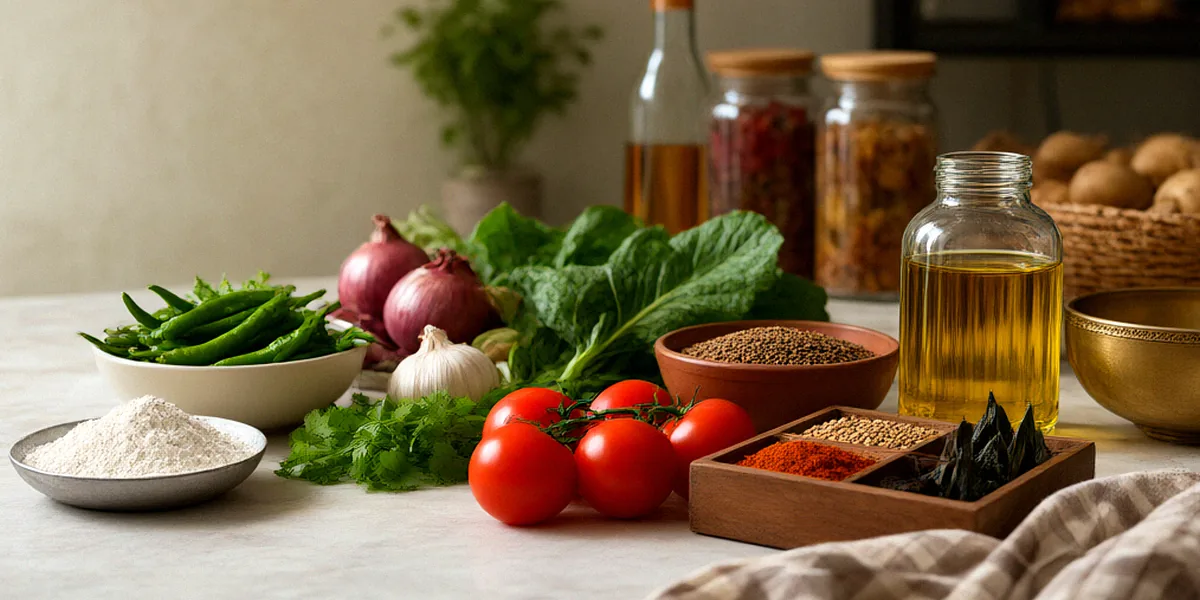
- Fresh curry leaves, green chillies, and coriander by the bunch
- Speciality lentils like black urad dal, moth beans, and toor dal
- Asafoetida (hing), tamarind paste, and kokum
- Ghee, paneer, and yoghurt in larger, more economical tubs
- Frozen Bombay street food staples like pav bhaji masala, vada pav patties, and dosa batter
Speciality Items for Bombay Street Food and Masala Chai
If you’re recreating Bombay street food at home, the grocer is your best friend. You’ll find pav bhaji masala blends that actually taste like the real thing, ready-made chaat masala, and sev and puri for bhel puri. For masala chai, you can buy whole green cardamom, cloves, and fresh ginger in quantities that make sense. We’ve often found that the pre-mixed chai masala from a grocer is far superior to anything a supermarket offers. And if you’re lucky, the shopkeeper might even share a family recipe or two.
Online Retailers: The Digital Spice Route
Not everyone lives near a good Indian grocer, and that’s where online retailers come in. Spice Kitchen is a UK-based online retailer specialising in fresh spices, and they’ve built a reputation for quality and ethical sourcing. The Asian Cookshop is a popular online store for Indian ingredients in the UK, offering everything from pickles to pressure cookers. Amazon, of course, sells almost everything, but the quality can be hit or miss depending on the seller. The convenience of home delivery is a major plus, especially for heavy items like rice and lentils, but you do sacrifice the ability to inspect the goods before buying.
Top UK-Based Online Indian Grocers
Here are a few we’ve used and would recommend:
- Spice Kitchen – Excellent for fresh, small-batch spices and gift sets.
- The Asian Cookshop – Huge range of ingredients, often with bulk-buy options.
- Amazon – Convenient, but check seller ratings and expiry dates carefully.
- Red Rickshaw – Another solid option for hard-to-find regional ingredients.
Tips for Ensuring Freshness When Buying Online
When buying spices online, always check the harvest or best-before date if it’s listed. Look for sellers who package in airtight, opaque containers rather than clear bags that let light degrade the spices. Read reviews carefully, especially for perishable items. And if you’re buying in bulk, consider splitting your order with a friend to ensure you use everything while it’s still fresh. We’ve learned the hard way that a kilo of ground cumin is only a bargain if you actually use it before it loses its punch.
Price, Quality, and Ethics: What Matters Most?
Let’s talk money. Supermarkets are often cheaper for basic items like onions, garlic, and ginger. They also run frequent promotions on rice and ready-made sauces. But when it comes to spices, grocers offer better value for bulk purchases. A 100g bag of cumin seeds from an Indian grocer might cost less than a 50g jar from a supermarket, and it will taste infinitely better. For fresh produce like curry leaves and green chillies, grocers are almost always cheaper and fresher.
Cost Comparison: Supermarket vs Grocer
- Ground cumin (100g): Supermarket £2.50–£3.50; Grocer £1.50–£2.50
- Basmati rice (5kg): Supermarket £12–£18; Grocer £10–£15
- Fresh coriander (bunch): Supermarket £0.80–£1.20; Grocer £0.50–£0.80
- Ghee (500g): Supermarket £6–£8; Grocer £4–£6
Supporting Local and Sustainable Practices
There’s also an ethical dimension. Independent grocers are often family-run businesses that support local communities. They source from smaller suppliers, which can mean better traceability and fairer prices for farmers. Many online retailers like Spice Kitchen emphasise sustainable sourcing and ethical labour practices. By choosing these options, we’re not just getting better ingredients; we’re supporting a more transparent and equitable food system.
Our Verdict: Where Should You Shop?
After years of trial and error, our honest recommendation is this: use supermarkets for convenience and emergency items, but rely on Indian grocers for authenticity, freshness, and the true taste of Indian home cooking. A hybrid approach works best for most of us. Buy your onions, potatoes, and tinned tomatoes from Tesco, but make a monthly trip to your local Indian grocer for spices, lentils, and speciality items. If you don’t have a grocer nearby, online retailers like Spice Kitchen and The Asian Cookshop are excellent alternatives.
When to Choose Supermarkets
Go to the supermarket when you need a quick top-up, when you’re buying basic vegetables, or when you’re short on time. They’re also fine for ready-made sauces if you’re in a pinch, though we’d always encourage you to make your own.
When to Choose Grocers
Choose an Indian grocer when you’re planning a proper Indian meal, when you need fresh spices, or when you want to explore regional specialities. This is where you’ll find the ingredients that make your curry taste like it came from a Bombay kitchen rather than a British ready-meal.
FAQ
Are Indian spices from supermarkets really that different from grocer spices?
Yes, in our experience. Supermarket spices are often older, heat-treated, and less aromatic. Grocer spices are typically fresher and more potent, which makes a noticeable difference in the final dish.
Can I buy fresh curry leaves in a supermarket?
Rarely. Some larger supermarkets stock them in the world foods section, but they’re often wilted. Indian grocers almost always have fresh curry leaves, and they freeze well if you buy in bulk.
Is it worth buying spices online?
Absolutely, especially if you don’t have a good Indian grocer nearby. Just check reviews, look for opaque packaging, and buy in quantities you’ll use within a few months.
What’s the best online retailer for Indian ingredients in the UK?
We’ve had great experiences with Spice Kitchen for fresh spices and The Asian Cookshop for a wide range of ingredients. Amazon is convenient but variable in quality.
How do I store Indian spices to keep them fresh?
Keep them in airtight containers away from light and heat. Whole spices last longer than ground, so buy whole where possible and grind as needed. A cool, dark cupboard is ideal.
Ultimately, the best choice depends on your priorities. If convenience is king, supermarkets will do. But if you’re chasing the authentic flavours of Indian home cooking, Bombay street food, and a proper cup of masala chai, the grocer wins every time. We’d encourage you to explore both, experiment, and find the balance that works for your kitchen.